

Understanding Dog Body Language at Day Care
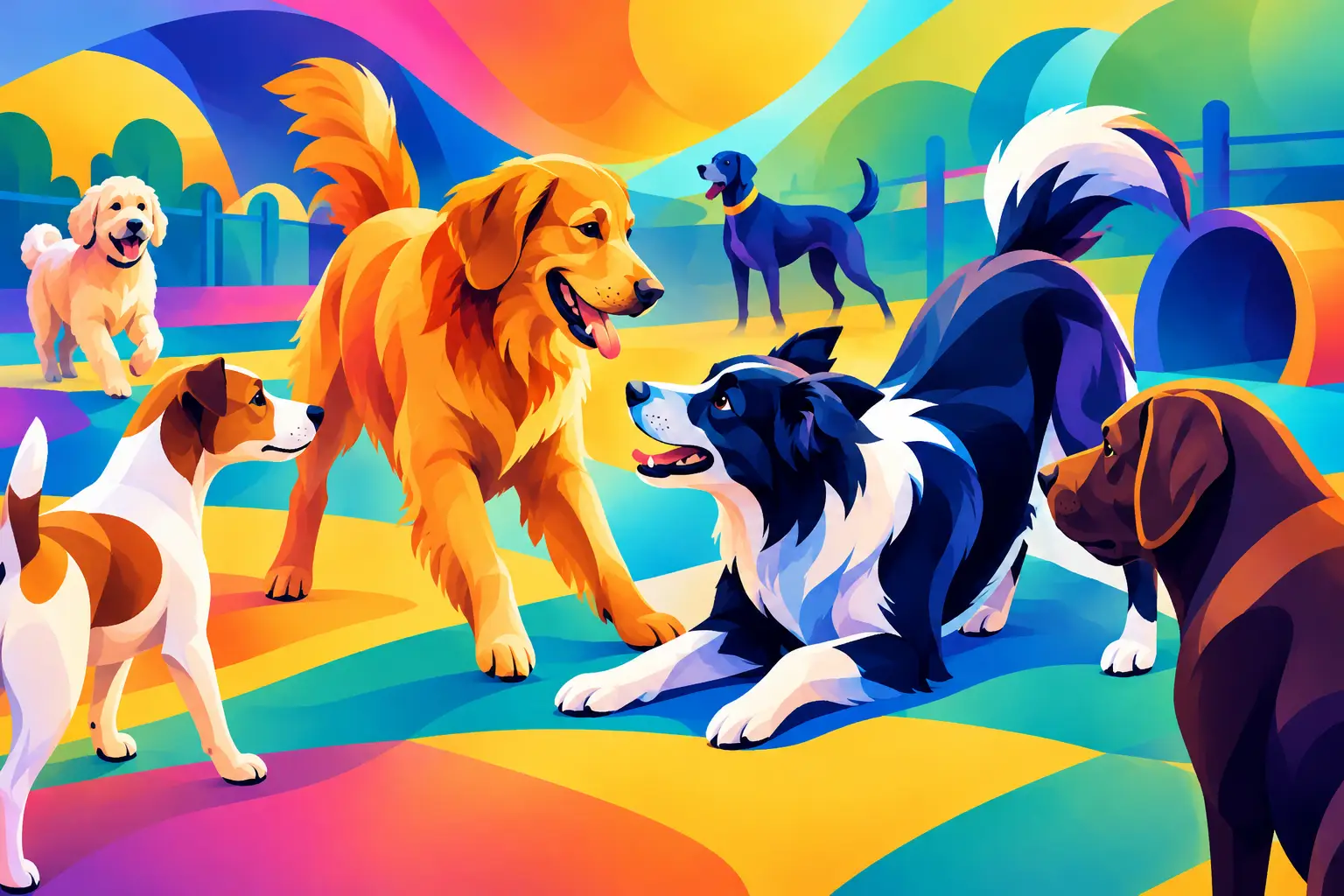
The tail is wagging, the paws are bouncing and your pooch is racing towards a mate at drop-off. It looks like a clear case of happiness, but understanding dog body language means looking beyond one signal. A wagging tail can mean excitement, uncertainty or rising tension, depending on the rest of the dog in front of you.
For loving pet parents, learning these small cues is one of the best ways to support a dog’s comfort at home, on walks and around other dogs. It also helps you choose care that sees your beloved friend as an individual, not just another dog in the play group.
Understanding Dog Body Language Is About the Whole Picture
Dogs communicate constantly with their posture, facial expression, movement, voice and the space they choose to keep from others. The trick is not to memorise one gesture and assume it always has the same meaning. A lowered head could be gentle curiosity, tiredness or worry. A still dog may be calmly observing, or may feel too overwhelmed to move.
Start by looking at the whole body. Is it loose and wiggly, with soft eyes and easy movement? Or is it rigid, leaning away, staring, panting when it is not warm, or repeatedly licking its lips? Context matters too. A dog greeting a familiar friend after a weekend apart may look very different from that same dog meeting a boisterous new pooch in a busy park.
This is why thoughtful supervision matters in a social setting. Experienced carers read the group as well as the individual, noticing whether a dog is choosing to engage, asking for a break or finding the pace too much.
What Relaxed, Happy Play Usually Looks Like
Healthy play is often wonderfully obvious once you know what to watch for. Dogs with a good social match tend to have relaxed bodies, curved approaches and bouncy, springy movement. They may take turns chasing, swap who is on top during a wrestle, or pause naturally before returning for more.
The classic play bow – front legs lowered, bottom in the air – is a friendly invitation. It often says, “I’m being silly, let’s keep this fun.” You might also see open, soft mouths, gentle eye contact and loose tails that move with the body rather than standing stiffly upright.
Pauses are a particularly good sign. A confident dog will often stop after a burst of play, shake off, have a sniff or check in with a handler, then decide whether to rejoin. Good play has room for consent. Both dogs should look willing to continue, rather than one repeatedly trying to leave while the other follows.
A growl is not automatically a problem, either. Some dogs are vocal playmates and use grumbles during a tug or wrestle. The rest of their body tells the real story. A loose, wiggly dog taking breaks is very different from a hard stare, frozen posture and tightly closed mouth.
The Subtle Signs Your Dog Needs Space
Dogs are polite communicators, and many give quiet signals long before they become distressed. Turning the head away, sniffing the ground, blinking, yawning, lip licking and taking a curved path instead of walking straight in can all be ways of saying, “I’d prefer a little space.”
You may notice these signals when a well-meaning stranger reaches over your dog’s head, when another dog crowds them at the gate, or when the household becomes noisy. One signal on its own is not always a concern. Several signals appearing together, particularly if they repeat, deserve attention.
More obvious discomfort can include a tucked tail, ears pinned back, a crouched posture, whale eye – where the whites of the eyes show – or attempts to hide behind you. A dog may also become unusually still. Stillness is easy to mistake for calmness, but it can be a sign that a dog is unsure what to do next.
The kindest response is not to force a greeting or tell your dog off for communicating. Create distance, lower the pressure and give them a chance to reset. Cross the street, step aside on the footpath, call them back to you or allow them to settle in a quieter spot. With support, many dogs build confidence over time. Others simply prefer a smaller circle of friends, and that is perfectly okay.
Excitement, Stress and Tiredness Can Look Similar
A busy day can produce lots of panting, zoomies and tail wagging. These may be signs of joyful excitement, especially when paired with loose movement and regular breaks. But high arousal can tip into overwhelm if a dog cannot settle.
Watch for a dog who keeps pacing, cannot disengage from another dog, jumps at every sound or struggles to take a treat they would normally love. Repeated barking, frantic spinning and rougher play can also mean they need a quieter moment, not more activity.
Tiredness is another cue worth respecting. A dog who has had a big social morning may choose a rest zone, lie down away from the action or become less patient with friends. Rest is not missing out. It is part of a balanced day, especially for puppies, adolescent dogs and energetic adults still learning how to regulate themselves.
At a well-run day care, activity and downtime work together. Climate-controlled spaces, clean rest areas and attentive handlers give dogs somewhere to decompress between play, enrichment and social time. That balance is far more valuable than keeping every dog active from drop-off to pick-up.
Why Social Skills Are Not One-Size-Fits-All
Some dogs burst into a room ready to make friends. Others need a calm introduction, a slower pace and a chance to watch before joining in. Breed, age, previous experiences, health, personality and even how much sleep a dog had the night before can shape their communication.
Puppies are still learning the rules of polite play. They may miss another dog’s request for space, become overexcited or need help reading a pause. Gentle, closely supervised puppy socialisation can teach them that meeting dogs is safe and enjoyable, while also showing them how to listen.
Older dogs may be less interested in wrestling but still enjoy a companionable sniff, a short game or relaxing near other dogs. A dog who prefers people to canine mates is not antisocial or failing at day care. The right environment adjusts the day to the dog, rather than expecting every pooch to fit one idea of fun.
How to Build Your Own Observation Habit
You do not need to analyse every ear twitch. Choose a few ordinary moments and become curious about the patterns. Notice your dog when you pick up the lead, greet a familiar neighbour, settle after dinner or meet a dog they know well. Their normal behaviour becomes a useful baseline.
When something changes, ask a few simple questions. What happened just before this? Is their body loose or tense? Can they move away? Do they return willingly after a pause? These questions are more useful than labelling a dog as simply friendly, naughty or anxious.
It can help to share what you notice with your carer or trainer. If your dog tends to become shy around larger dogs, loves chase games but dislikes wrestling, or needs a quiet start to the morning, that information supports better introductions and more positive experiences. At Hoochy Poochy, knowing each dog’s little preferences helps the team create a more comfortable home-away-from-home routine.
When to Ask for Extra Support
Body language knowledge is valuable, but it is not a substitute for professional advice when behaviour changes suddenly or a dog appears persistently distressed. Pain, illness and discomfort can change how a dog responds to touch, food, exercise and social contact.
Speak with your vet if your pooch becomes unusually withdrawn, reactive, restless or reluctant to be handled. For ongoing worries around fear, reactivity or social skills, a qualified trainer can help you understand the cause and create a kind, practical plan. Progress is rarely about making a dog tolerate everything. It is about helping them feel safe enough to make better choices.
The more closely you watch your dog’s quiet messages, the easier it becomes to be their safe person. A pause before play, a peaceful nap after a busy morning or a happy lean into your leg can tell you plenty. Give your precious pooch time, space and a patient audience, and they will keep showing you who they are.