

A Guide to Canine Enrichment for Happy Dogs
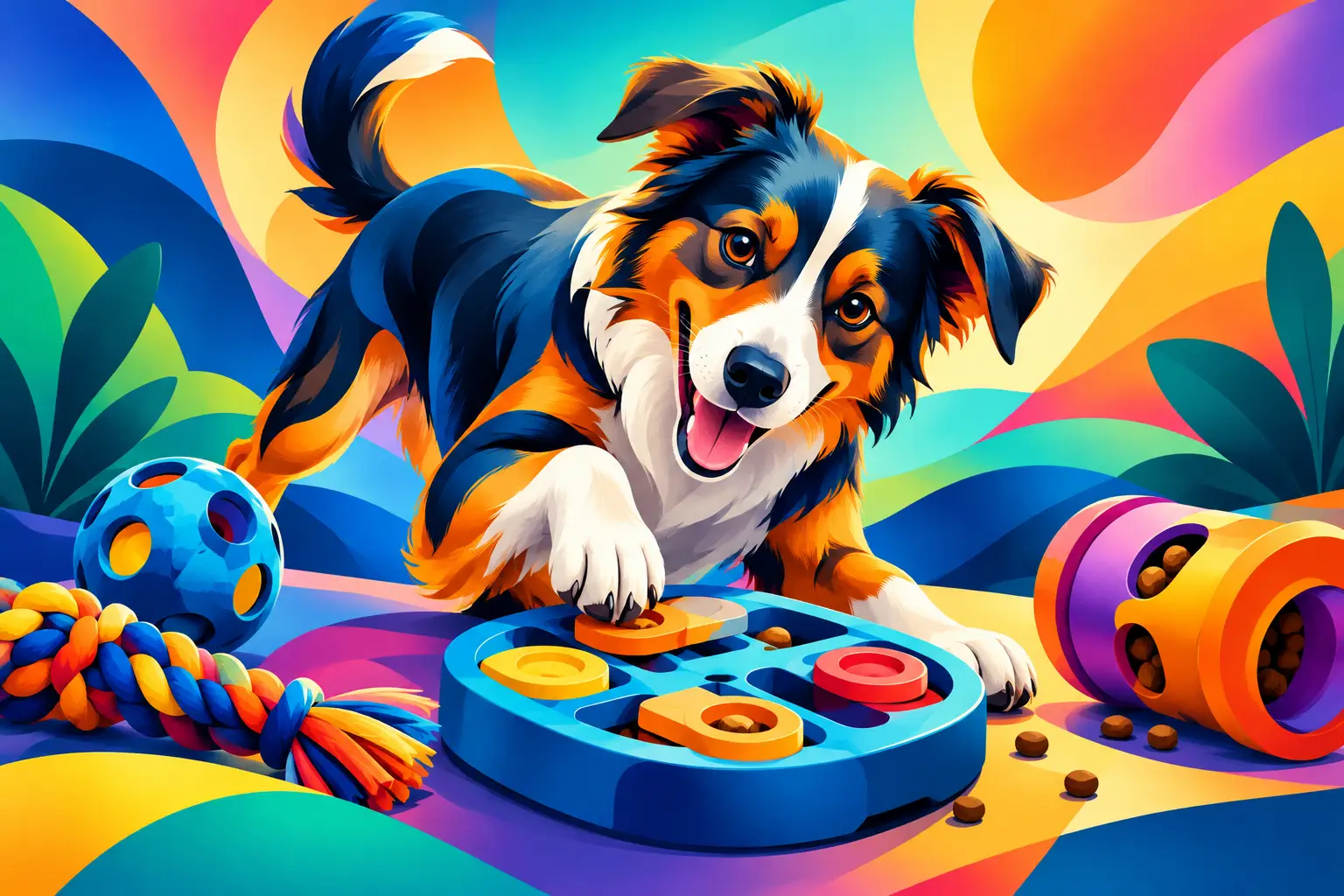
A tired dog is not always a fulfilled dog. A long walk can be lovely, but if your pooch comes home buzzing, chewing the rug or pacing while you take a work call, they may be asking for more than kilometres. This guide to canine enrichment is about giving your beloved friend satisfying ways to think, sniff, move, learn and properly switch off.
Enrichment is not about keeping your dog busy every second of the day or filling the house with expensive toys. It is about meeting the needs behind their behaviour. For many Melbourne dogs, especially those spending weekdays at home while their humans work, a little more purpose in the day can make a big difference to confidence, calmness and overall happiness.
What canine enrichment really means
Canine enrichment is any safe activity or environment that encourages natural dog behaviours. Sniffing, foraging, problem-solving, chewing, exploring, playing, learning and resting all count. The best mix looks different for every dog.
A young Kelpie may need a combination of active games and short training challenges. A senior pooch may prefer gentle scent work, a cosy chew and a quiet wander at their own pace. A social dog might light up around familiar canine friends, while a more reserved dog may find one-on-one games far more rewarding. The goal is not to create a jam-packed timetable. It is to notice what leaves your dog content rather than overstimulated.
That distinction matters. Constant high-energy play can leave some dogs overtired and frantic, particularly puppies and excitable adults. Good enrichment includes a chance to decompress afterwards, with fresh water, a comfortable rest area and no pressure to keep participating.
Your guide to canine enrichment at home
Start with the easiest activity in the dog world: let your pooch sniff. On one walk each day, slow down and allow them to investigate the interesting patches of grass, tree trunks and footpaths safely. Sniffing is how dogs gather information about their world, and a slower “sniffari” can be surprisingly satisfying for dogs who do not need a huge amount of physical exercise.
Food can become enrichment too. Rather than always serving breakfast in a bowl, scatter part of a dry meal across the lawn, tuck it into a snuffle mat or use a food puzzle appropriate to your dog’s ability. Begin simply. If the puzzle is too difficult, your dog may become frustrated and give up. If it is too easy, switch the setup occasionally to keep it interesting.
Chewing is another useful outlet. A safe, dog-appropriate chew can help many dogs settle after activity, but supervision and sensible sizing are essential. Choose options suited to your dog’s chewing style, and remove anything that splinters, breaks into unsafe pieces or causes them to guard it.
Short training sessions offer wonderful mental exercise without taking over your evening. Practise a hand target, a calm wait at the front door, going to a mat, or finding a toy by name. Keep sessions upbeat and brief, finishing while your dog is still keen. Three focused minutes can be more valuable than 20 minutes of repeating cues when everyone is tired.
Build enrichment around the dog in front of you
The internet can make enrichment seem like a competition. It is not. Your dog does not need a new activity every day, and a beautifully arranged obstacle course is not automatically better than a cardboard box with a few treats hidden inside.
Think about your dog’s age, health, breed tendencies and personality. Puppies are learning how the world works, so gentle novelty, positive handling and calm social experiences are particularly valuable. Their brains and bodies also need plenty of sleep. Avoid assuming that a puppy who is racing around the living room needs more excitement – they may be overtired.
For adult dogs, look at the patterns around unwanted behaviour. A dog who barks at every noise may benefit from calm scent games and rest rather than more arousing ball throws. A dog who digs may enjoy supervised digging in a designated sandpit or foraging game. A dog who pulls on walks may need skills practice and an opportunity to sniff, not simply a longer, faster walk.
Older dogs deserve enrichment too. Gentle massage, easy treat searches, familiar training cues and slow neighbourhood strolls can keep life interesting while respecting ageing joints, reduced vision or hearing changes. If your dog’s behaviour, energy or interest in activities suddenly changes, check in with your vet before assuming they are bored.
Social time is enriching when it is well matched
Dogs are social animals, but that does not mean every dog enjoys every dog. The right social experience is one where your pooch feels safe enough to be themselves – whether that means playing chase with a trusted mate, strolling alongside another dog, or simply sharing space without interaction.
Watch their body language. Loose movement, relaxed faces, play bows and natural pauses are good signs. Repeated hiding, stiff posture, relentless chasing, pinning, lip licking or trying to escape are signs the situation needs to change. A friendly dog can still become overwhelmed in a busy group, particularly if they have had little chance to rest.
This is why structured day care can be such a valuable part of an enrichment routine for suitable dogs. It is not just somewhere to pass the hours while you are at the office. In a professionally managed setting, dogs can enjoy supervised socialisation, varied play, environmental activities and quiet rest breaks, with staff adjusting the day to the group’s energy and individual needs.
At Hoochy Poochy, that balance is supported through open-plan, climate-controlled play spaces, hygiene standards, rest zones and experienced handlers who understand that happy play is only one part of a great day. Regular attendance can also help many dogs build confidence through familiar routines, people and canine friends.
Give your dog permission to rest
One of the most overlooked parts of enrichment is doing nothing. Dogs need sleep and calm downtime to process activity, especially after social play, training or a big weekend. A comfortable bed away from household traffic, a predictable quiet period and a gentle wind-down routine can prevent an enriching day from becoming an exhausting one.
Look for the signs that your dog has had enough. They may move away from play, become less coordinated, stop responding to familiar cues or start acting silly and frantic. Puppies often show this as sudden zoomies, mouthing or an inability to settle. Rather than adding another game, offer a toilet break, water and a quiet place to snooze.
Rest also helps your dog enjoy enrichment tomorrow. A dog who has recovered well is more likely to approach new experiences with curiosity instead of stress.
A realistic weekday rhythm for busy households
For working pet parents, the pressure to do everything before and after work can make dog care feel like another full-time job. It does not need to be. Aim for a rhythm rather than perfection: a sniff-filled morning outing, a breakfast puzzle, a safe rest period, then a short training game or gentle walk in the evening can create a fulfilling home day.
On day care days, keep the evening quiet. Your precious pooch may be delighted to see you, but after a day of play, learning and social time, they often need dinner, a toilet break and a long snooze beside their family. Save the big adventure for another day.
The most effective enrichment plan is one you can maintain. Rotate a few favourite activities, notice what helps your dog settle, and make room for both joyful activity and proper rest. When your dog’s day has purpose, connection and comfort, coming home to them feels even better for both of you.