

Dog Agility Training Melbourne Pooches Love
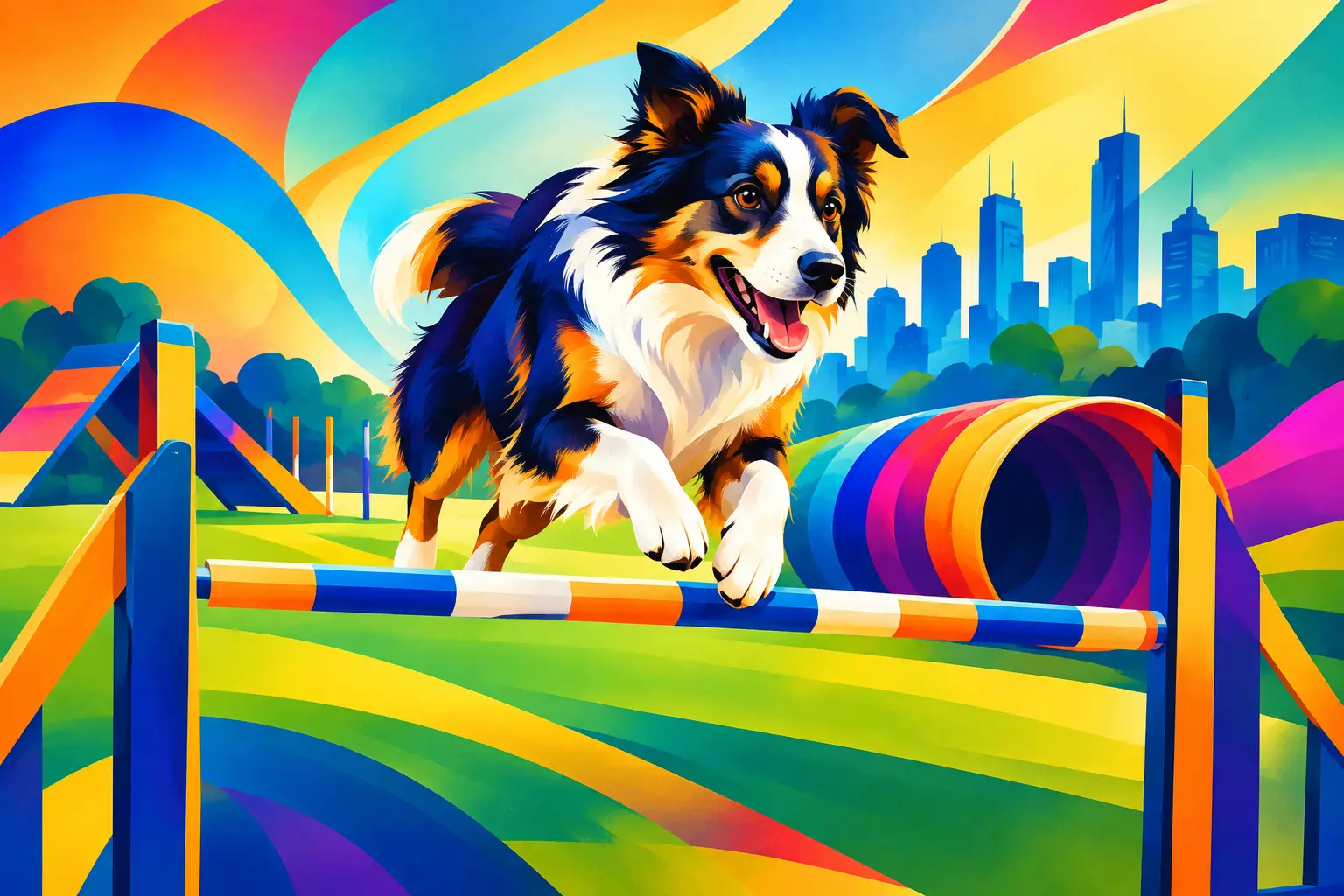
A tunnel, a low jump and a cheerful call from their person can turn an ordinary afternoon into the best part of your pooch’s week. Dog agility training Melbourne families choose is about far more than racing around a course. It gives dogs a purposeful outlet for energy, builds everyday confidence and creates those wonderful moments when your beloved friend realises, “I can do this.”
For busy inner-city dog owners, that confidence has a way of travelling home. A dog who has practised listening around distractions, waiting for a cue and working happily with their human often feels more settled in daily life too. Every dog learns at their own pace, of course, and the goal is never to make a champion overnight. It is to help your dog enjoy moving, thinking and succeeding in a safe, encouraging environment.
What agility training can do for your dog
Agility is a team sport. Your dog learns to navigate obstacles such as tunnels, jumps, weave poles and platforms while responding to your direction. The physical activity is valuable, especially for lively dogs whose needs extend well beyond a lap around the block. Just as importantly, it asks them to concentrate, problem-solve and connect with you.
That combination can be brilliant for dogs with busy brains. Rather than simply burning energy, agility gives it a job. A dog has to notice where their body is, listen for a cue, choose an action and then reset for the next one. It is satisfying work, delivered in short, achievable bursts.
Many pet parents also love the change they see in their dog’s body language. A naturally cautious pooch may become more curious after stepping through a tunnel at their own speed. An excitable dog can learn that waiting for permission is part of the game. A social dog gets the chance to work around other dogs without needing to greet every one of them.
There is no guarantee that agility will solve every behaviour concern, and it should not replace tailored behavioural support where that is needed. But it can be a positive piece of the puzzle, particularly when training is kind, consistent and suited to the individual dog.
Is your pooch ready for dog agility training in Melbourne?
Most dogs can enjoy an agility-style training experience when the equipment, pace and expectations are adapted to them. Puppies may start with confidence-building exercises, simple handling games and low-impact foundations rather than repeated jumping. Adult dogs can progress gradually as they understand the cues and develop coordination.
Your trainer should take your dog’s age, physical condition, breed tendencies and confidence level into account. For example, a growing young dog needs careful management around impact, while a senior dog may benefit from lower, slower activities that support mobility without asking too much of their joints. Dogs returning from injury should only participate with appropriate veterinary guidance.
Temperament matters too. A dog does not need to be the boldest member of the pack to join in. Shy dogs often do best with space, calm introductions and permission to observe before participating. On the other hand, dogs who find other dogs highly exciting may need more distance and structure before working near a group. Good training meets the dog in front of it, rather than expecting every pooch to fit the same mould.
Foundations come before fancy obstacles
The most joyful agility dogs are not necessarily the fastest. They are the ones who understand the game and feel safe playing it. Before a dog tackles a sequence, they benefit from simple skills: responding to their name, checking in with their handler, waiting briefly, moving around an object and being comfortable with new surfaces or sounds.
These foundations may look modest, but they are where trust is built. A trainer can reward a dog for choosing to approach a tunnel, then let them investigate without pressure. Later, the dog may walk through it with an encouraging cue and a well-timed reward. That voluntary progress is much more valuable than pushing a nervous dog through an obstacle before they are ready.
What a great session feels like
A quality agility class should feel organised without being stern, upbeat without becoming overwhelming. Dogs need room to work safely, appropriate breaks and clear guidance from experienced trainers. Equipment should be stable, well maintained and introduced in a way that protects both confidence and physical wellbeing.
At Hoochy Poochy, agility is approached as a rewarding shared experience, with qualified guidance and a genuine understanding that every dog brings their own personality to class. Some arrive ready to bounce; others prefer to watch, sniff and warm up slowly. Both are welcome approaches when the session is managed thoughtfully.
Expect trainers to use positive reinforcement, clear handling and small progressions. That might mean lowering a jump, simplifying a course or allowing a dog to take a breather in a quieter moment. More difficult is not always better. The right level is the one that lets your dog succeed often enough to stay eager for the next go.
A well-run environment also considers the practical details that help dogs settle. Clean spaces, sensible group management, access to rest and attentive supervision all matter. For many Melbourne households, those standards are what turn an activity into a service they can trust with a precious family member.
How to support your dog between classes
You do not need a backyard full of equipment to help your dog build useful agility skills. In fact, repeating obstacles at home without guidance can create poor habits or put unnecessary strain on growing bodies and joints. Focus instead on the everyday skills that make training enjoyable.
Practise a happy name response on your walks, reward your dog for checking in beside you and play gentle recall games in a safely enclosed area. You can also encourage body awareness with slow, simple movements around a chair or between a few household items, provided your dog is comfortable and there is no jumping, slippery flooring or clutter to navigate.
Rest is part of learning as well. A mentally stimulating session can be tiring, even if your dog has not covered much distance. Give them a calm trip home, fresh water and time to switch off. If they attend day care or have a particularly active week, balance matters. Not every day needs to be packed with high-energy activity for a dog to be happy and fulfilled.
Bring the right mindset, not just treats
Treats can be useful, especially when your dog is learning something unfamiliar, but your energy matters just as much. Keep your cues simple, celebrate small wins and resist comparing your dog with the speedy Border Collie across the room. Your dog’s best effort might be a beautifully focused sit at the start line, a confident paw onto a platform or one calm pass through a tunnel.
If your pooch seems worried, frustrated or unusually tired, tell the trainer. A thoughtful adjustment early on can keep a small concern from becoming a setback. Training is a conversation, and your dog is giving feedback all the time through their posture, movement and willingness to re-engage.
Choosing an agility program with care
When comparing dog agility training in Melbourne, look beyond the obstacle course photos. Ask how dogs are grouped, how new or nervous dogs are introduced and what qualifications or practical experience the trainers bring. Find out whether the program uses reward-based methods and how it manages safety, rest and individual needs.
It is also worth considering the location and routine. A convenient Abbotsford session with easy drop-off can make regular attendance much more realistic for working households. Consistency helps dogs learn, and it lets trainers get to know the little details that make a difference: which reward gets your dog’s ears up, when they need extra space and how they like to be greeted.
The best program is not always the biggest, the loudest or the most competitive. It is the one where your dog is safely supported, you feel comfortable asking questions and you both leave with a sense of achievement. Whether your pooch is a future agility star or simply a dog who deserves a fun new way to use their brain and body, a kind first step can become a favourite weekly ritual.