

8 Signs Your Dog Needs Enrichment at Home
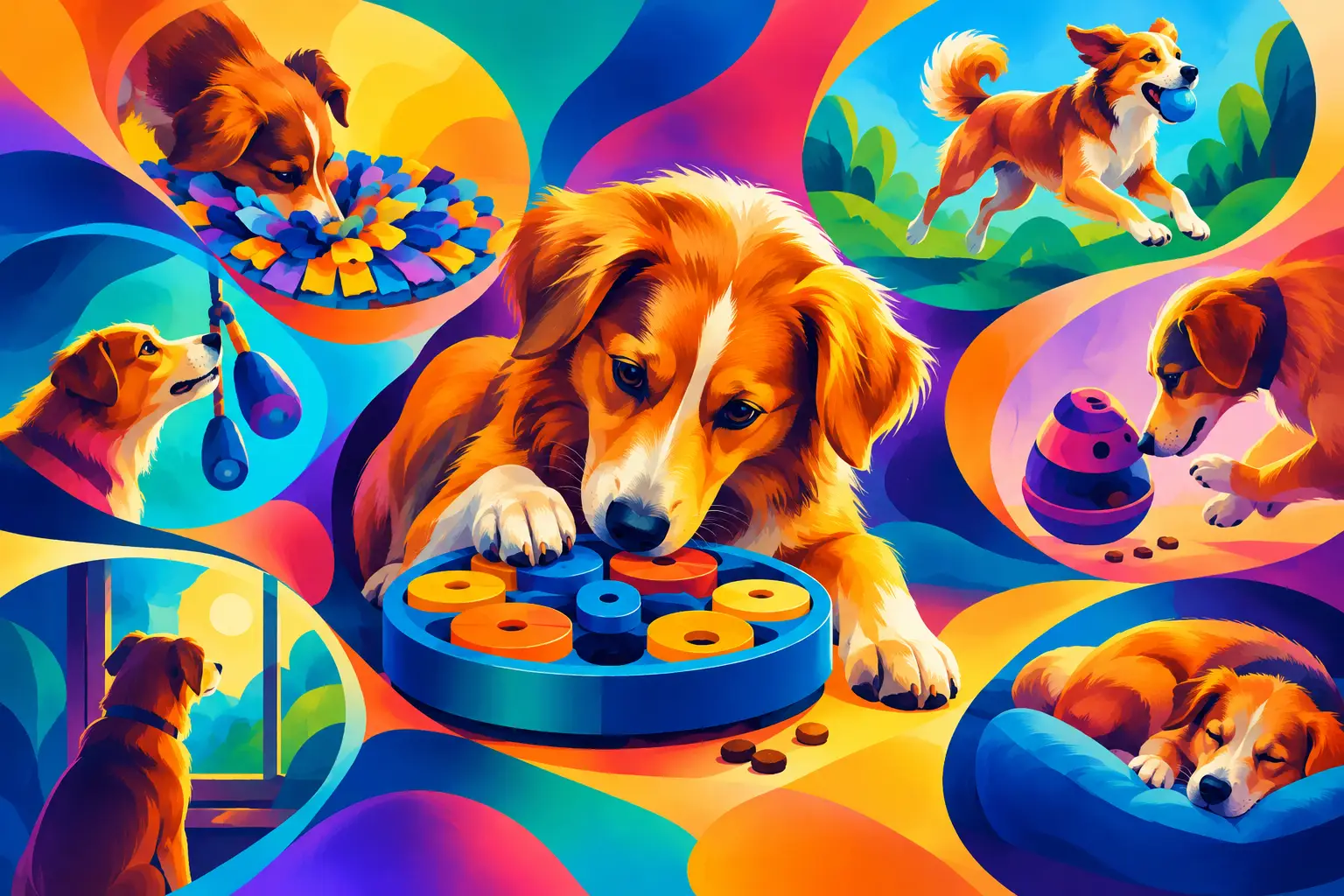
A walk around the block, dinner in the bowl and a cosy spot on the couch can look like a lovely dog day. But for many bright, social pooches, it is not quite enough. Some signs your dog needs enrichment are easy to miss because they can look like cheekiness, excess energy or a bad habit. More often, they are your beloved friend’s way of saying, “I need something to do.”
Enrichment is not about keeping your dog busy every waking moment. It is about giving them safe, enjoyable chances to sniff, think, move, learn, play and rest. The right mix can help your pooch feel settled at home, more confident in the world and happier in themselves.
Signs your dog needs enrichment
Every dog has different needs. A young working breed may need more problem-solving and physical activity than a laid-back senior, while a social butterfly may thrive on friendly canine company. Still, these common behaviours are worth paying attention to, particularly if they are new or becoming more frequent.
1. They are destructive when left alone
Chewed cushions, shredded cardboard and a suspiciously empty rubbish bin are frustrating, but destruction is not always a sign your dog is being naughty. A bored dog may create their own activity, especially during long stretches alone.
Before assuming it is a training problem, consider what happens before you leave. A short toilet walk may not meet the needs of an energetic dog with hours ahead of them. Food puzzles, safe chew options, scent games and structured daytime care can give that busy brain a better outlet.
2. They cannot seem to settle
Pacing, following you from room to room, repeatedly bringing toys over or barking at every sound outside can all point to an under-stimulated pooch. Of course, restlessness may also relate to anxiety, discomfort or a change in routine, so it is worth looking at the full picture.
Try adding a calm activity rather than simply making things more exciting. Scatter a portion of dinner in the grass, hide treats around one room or practise a few simple cues for rewards. Thinking work can be surprisingly tiring, and it teaches dogs that quiet focus feels good too.
3. The walk is never enough
If your dog returns from a long walk looking as though they could run another lap, more kilometres are not always the answer. For some dogs, constantly increasing physical exercise simply builds a very fit dog who expects an even bigger workout tomorrow.
A more balanced routine includes opportunities to sniff at their own pace, make choices and use their brain. Change the walking route, let them investigate a safe patch of grass, or add short training games during the walk. Quality matters as much as distance.
4. They demand attention all evening
After a busy workday, it is natural to want a little downtime. If your dog is pawing, whining, nudging you or dropping a toy in your lap every few minutes, they may be trying to fill a stimulation gap from the day.
This does not mean you need to entertain them non-stop. A predictable after-work routine can make a big difference: a greeting, toilet break, a short sniffy walk, dinner served through an enrichment activity, then a calm rest period. Dogs often settle more easily when they know good things are built into their day.
5. They bark, dig or patrol the yard
A backyard is useful, but it is not automatically enriching. Once your pooch has explored every corner, staring through the fence, digging holes and sounding the alarm at passing dogs can become their main event.
Rotate outdoor toys rather than leaving everything out at once. Set up a supervised treasure hunt with treats, offer a digging box filled with safe sand or soil, or use the yard for a quick training session. Keep an eye on heat, particularly during Melbourne’s warmer spells, and make sure fresh water and shade are always available.
6. They seem overexcited around other dogs
Pulling, bouncing or losing focus whenever another dog appears may mean your pooch needs better-managed social experiences. It can also mean they are feeling overwhelmed, so more dog contact is not automatically the answer.
The goal is calm, positive socialisation with suitable playmates and experienced supervision. Dogs benefit from learning when to play, when to pause and how to take breaks. This is especially valuable for puppies, who are still learning the social rules of the pack.
7. Their training has gone backwards
A dog who knows their cues but suddenly ignores them may be distracted, frustrated or mentally flat. Training is not only about obedience. It gives dogs a shared language with their people and a rewarding job to do.
Keep sessions short and cheerful. Ask for a sit before the lead goes on, practise “find it” with a tossed treat, or teach a simple trick for fun. Success builds confidence, while repeated pressure can make a dog switch off. If behaviour changes are sudden, severe or paired with signs of pain, chat with your vet first.
8. They are doing the same things every day
Routine is reassuring, but sameness can become dull. Dogs experience the world through their noses, so a different scent trail, toy texture or training challenge can bring real joy without requiring a huge production.
Watch what your dog chooses when given options. Do they love sniffing, carrying, tugging, searching, climbing, splashing or greeting familiar friends? Their preferences are useful clues. The best enrichment is not whatever is trending online – it is what your individual pooch can enjoy safely and confidently.
What good dog enrichment actually looks like
Enrichment works best when it covers more than one part of your dog’s wellbeing. Physical movement supports their body, but mental challenges, social connection and proper rest matter just as much. A full day does not need to be frantic.
At home, this might look like breakfast in a puzzle feeder, a varied morning walk, a chew while you work, a five-minute training game in the afternoon and a quiet evening together. On other days, your dog may benefit from a change of scene and time with carefully matched canine friends.
For working households, a well-run doggy day care can provide that extra layer of structure. The right environment has supervised socialisation, climate-controlled play spaces, rest zones and hygiene practices that keep comfort and safety front of mind. At Hoochy Poochy, the aim is for each pooch to enjoy activity, enrichment and downtime in a welcoming pack environment, not simply to be kept busy until pick-up.
Match the activity to your dog
More is not always better. Puppies need plenty of sleep and gentle, positive exposure rather than a packed schedule. Older dogs may prefer sniffing games, easy training and comfortable rest over high-impact play. Dogs who are nervous around others might gain more from one-on-one activities and gradual confidence building than a large social group.
Start small and observe the result. Good enrichment often leaves a dog content and relaxed, not wired, overtired or overwhelmed. If your pooch seems calmer, settles more readily and shows happy interest in the next activity, you are probably on the right track.
Your dog does not need every day to be extraordinary. They simply need a life with room to be a dog: to sniff, learn, move, connect and then curl up for a well-earned rest.